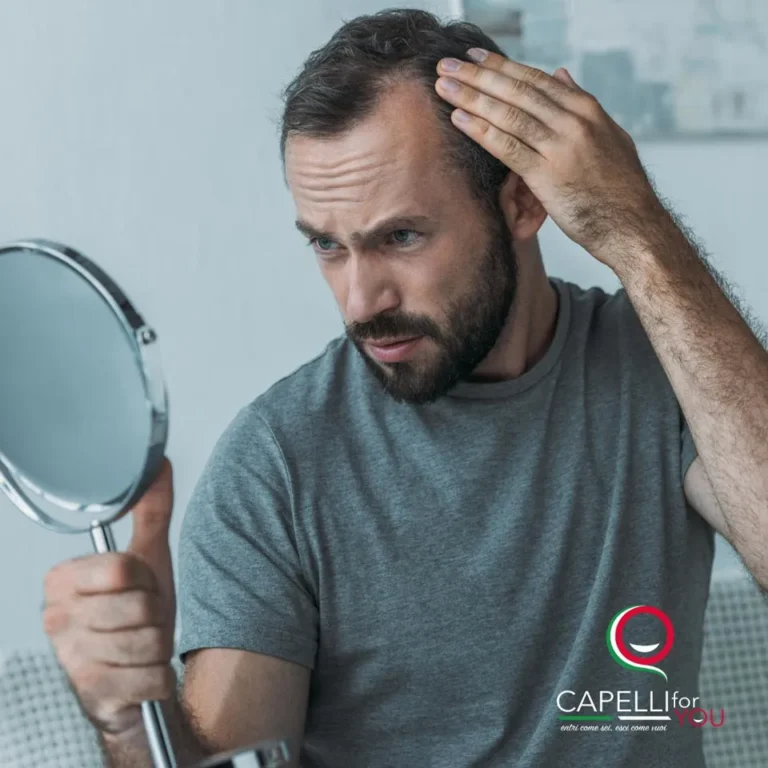
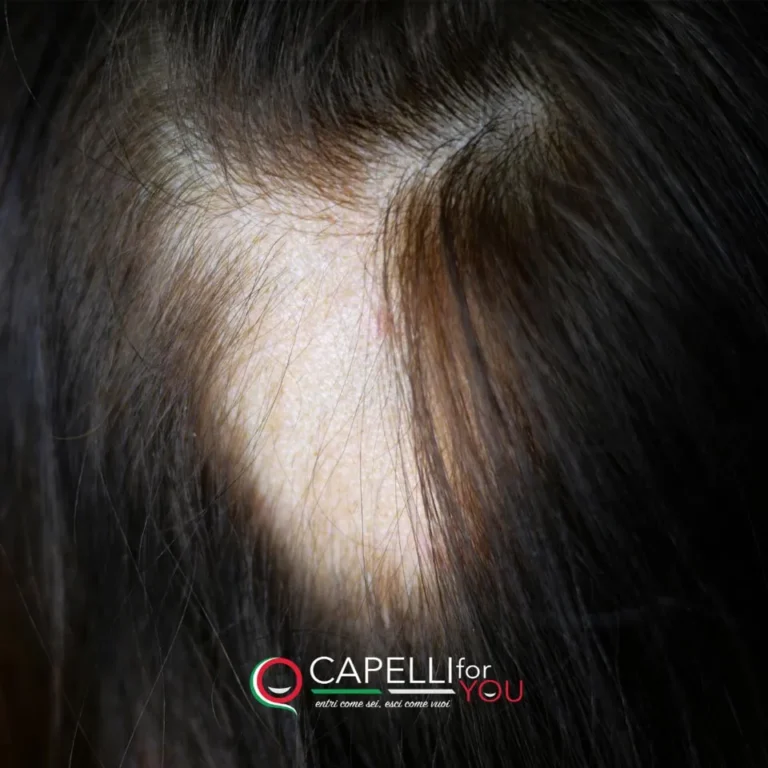
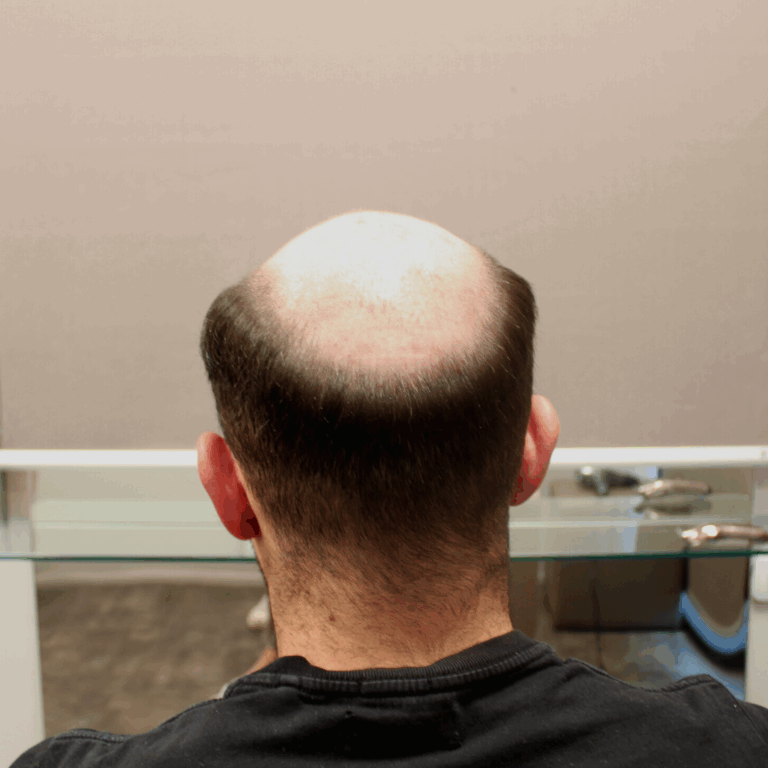
Hair loss caused by chemotherapy treatments is one of the most common and emotionally challenging side effects of cancer therapy.
Unfortunately, the aggressive nature of chemotherapy drugs affects not only cancer cells but also the hair follicles, disrupting their natural growth cycle.
This side effect is typically temporary, although its duration can vary depending on the type and length of treatment.
Even with the awareness that hair will eventually regrow, the experience of losing it can trigger strong emotions, including anxiety, sadness, and frustration.
To help alleviate this difficult period, choosing a high-quality wig — whether made from real human hair or premium synthetic fibres — can make a remarkable difference.
Choosing a Quality Wig
There are countless wigs available on the market, but it’s essential to rely on professional advice and invest in a quality product.
Key features to look for include:
- Lightness and breathability, ensuring comfort during everyday use
- Natural-looking hairlines, achieved through high-end techniques such as “cinema lace fronts”
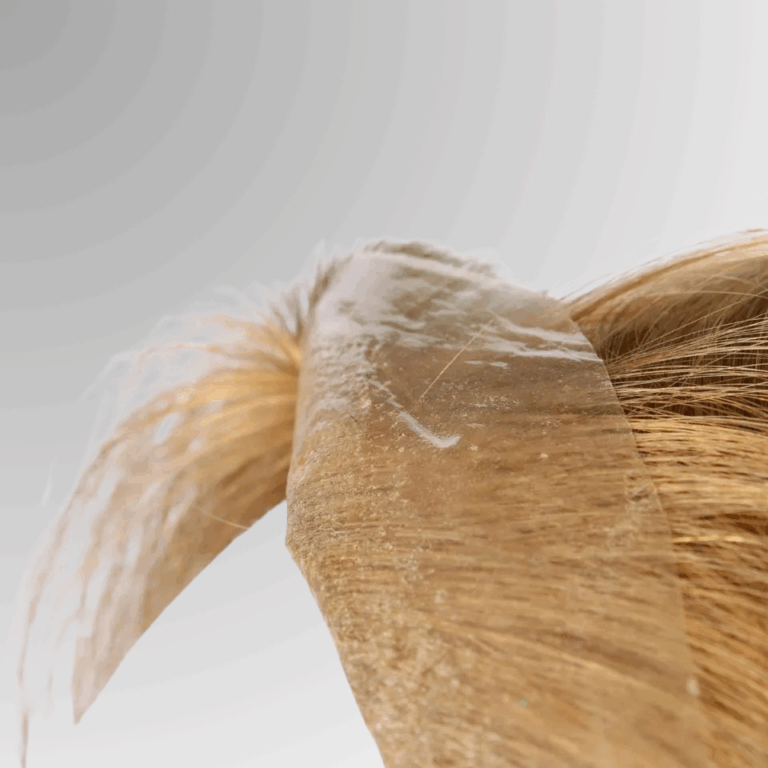
- Premium hair fibres — either natural or synthetic — that mimic the look and movement of real hair
It’s also important to remember that quality wigs still require care and maintenance to keep them in excellent condition.
Wigs for Chemotherapy: Practical Considerations
When choosing to wear a wig during chemotherapy, it’s normal to have practical questions such as:
- How often can I wash and dry it?
- Will it feel comfortable on my scalp?
- Will it look natural?
Wigs generally fall into three main categories:
- Human hair wigs
- Heat-resistant synthetic wigs (can be styled with moderate heat)
- Non-heat-resistant synthetic wigs (cannot be exposed to heat tools)
The first two types can be styled using a hairdryer, straighteners, or curling irons, provided you respect the recommended temperature limits.
Following the manufacturer’s care instructions or the advice of a specialist will ensure your wig maintains its beauty and longevity.
Comfort and Natural Effect
A wig’s comfort and realism depend on two main factors:
- The quality of its internal construction
- The presence of a lace front (cinema effect), which creates an invisible and natural-looking hairline
When it comes to models, colours, highlights, and lengths, there is an extraordinary variety to choose from — the goal is simply to find the one that makes you feel most like yourself.
Above all, a good wig should be:
- Comfortable and breathable
- Lightweight and non-irritating to the scalp
- Secure and natural-looking, without causing additional stress
Emotional Wellbeing and Confidence
Chemotherapy wigs are designed to support patients through a temporary stage of hair loss, helping them maintain their appearance and self-confidence during treatment.
The right wig can offer more than aesthetic comfort — it can help restore a sense of normality and emotional balance, allowing each person to feel beautiful, confident, and themselves again.