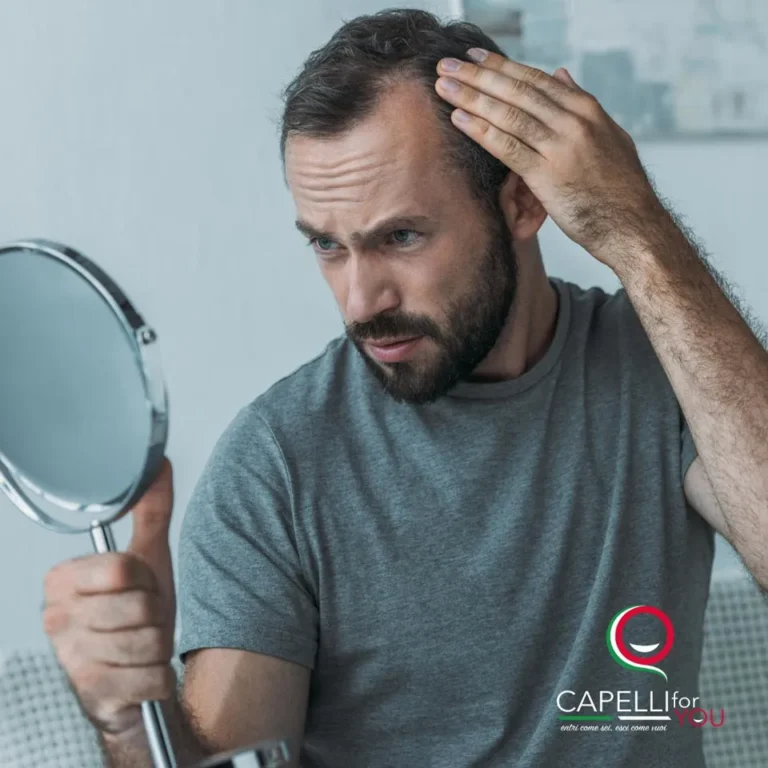
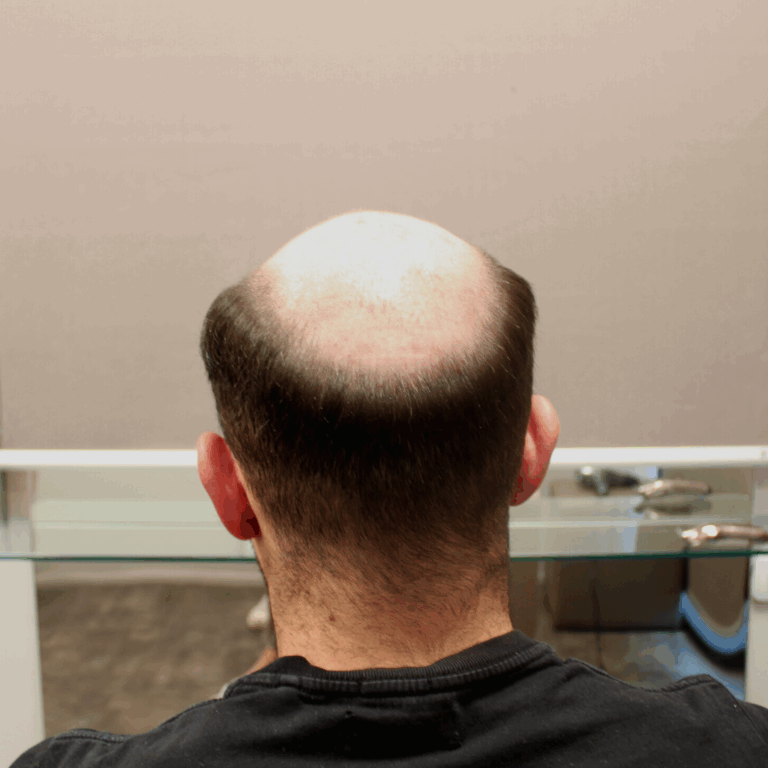
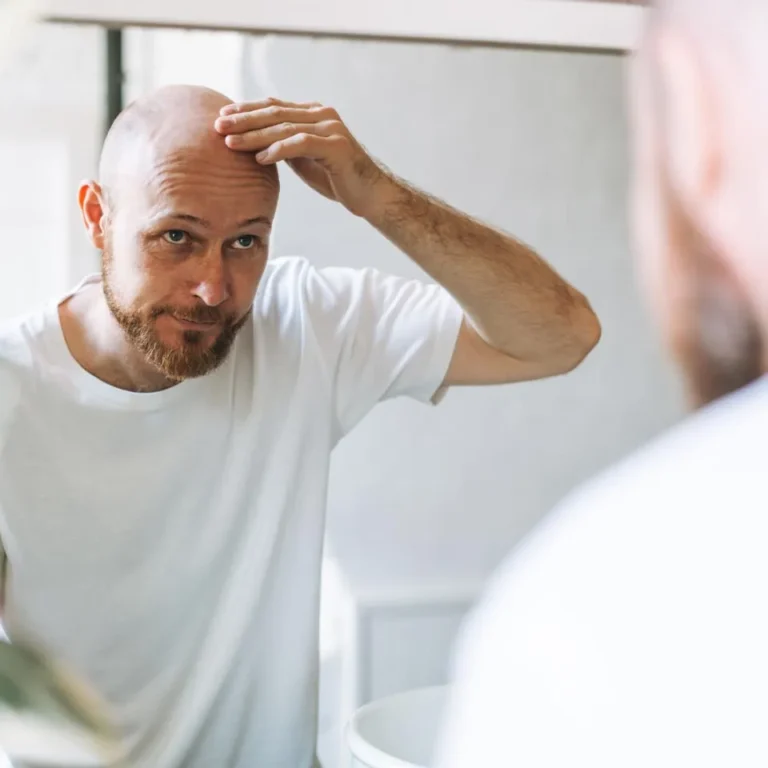
Alopecia Areata is a recognised autoimmune disease that causes sudden, patchy hair loss on the scalp or other parts of the body.
According to several studies, around 2% of the global population is affected by Alopecia Areata, which can develop into more severe forms:
- Alopecia Areata Totalis: when hair loss affects the entire scalp.
- Alopecia Areata Universalis: when the condition extends to the entire body, resulting in the complete loss of hair and body hair.
This condition can affect men, women, and children alike, regardless of diet, hygiene habits, or lifestyle.
What Causes Alopecia Areata?
As an autoimmune disorder, Alopecia Areata arises when the body’s immune system mistakenly attacks healthy hair follicles, disrupting their normal growth cycle.
The exact cause is still not completely understood, but psychological trauma, high stress levels, and genetic predisposition appear to play major roles.
In most cases, the hair follicles are not permanently damaged, and hair can grow back once the triggering factors are resolved.
However, in some individuals, the condition may become chronic or irreversible.
Research also indicates a hereditary component, as the disorder often appears in multiple members of the same family.
A genetic predisposition may increase susceptibility to autoimmune reactions, infections, or endocrine imbalances.
In practical terms, the body’s antibodies attack follicles in the anagen phase (growth phase), disrupting the natural hair cycle.
If this “attack” does not cease, the follicles remain dormant and hair fails to regrow in the affected patches.
How Alopecia Areata Manifests
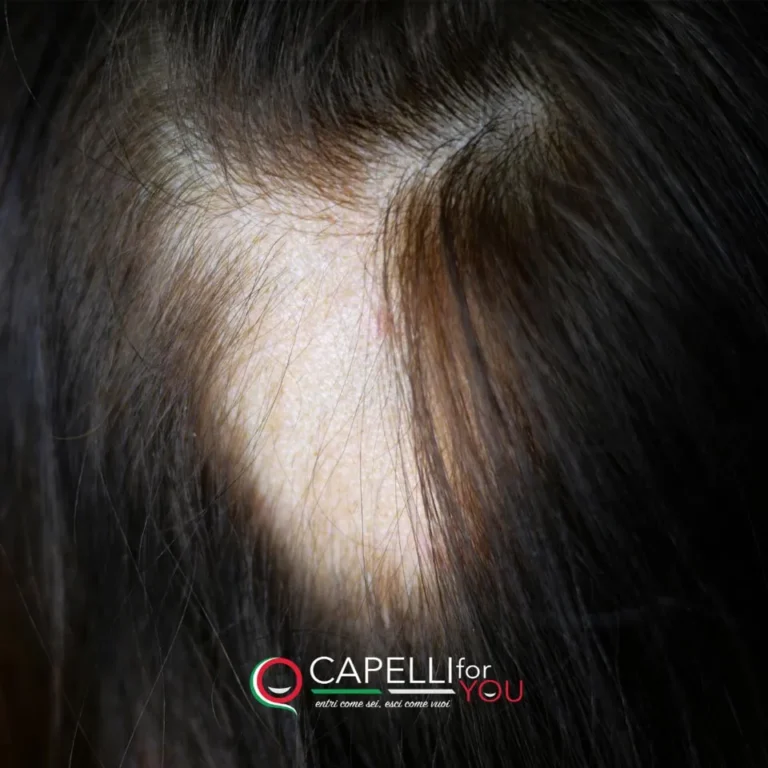
The condition typically begins with one or more round or oval bald patches, caused by the sudden interruption of the follicles’ growth phase.
These patches can vary in size and often appear on the scalp or beard, though in more advanced cases they may spread to other hair-bearing areas such as the eyebrows, eyelashes, chest, or legs.
In its most severe forms, the condition may evolve into total or universal alopecia, with complete hair loss across the scalp or entire body.
Possible Treatments
At present, no definitive cure exists for Alopecia Areata, and no medication has been proven to restore hair growth reliably in all cases.
Because of its psychosomatic nature, treatments that focus only on the affected areas without addressing the emotional and psychological triggers may be ineffective or even counterproductive.
In some cases, anti-inflammatory or immunosuppressive medications can help slow the autoimmune response — but these should always be taken under specialist medical supervision.
It has been observed that hair loss often stabilises or reverses when the individual’s emotional well-being improves, allowing follicles to resume their normal growth cycle.
However, in other cases, the process does not fully recover, leading to permanent forms of alopecia.
Capelli For You’s Commitment
At Capelli For You, we are deeply committed to supporting individuals affected by Alopecia Areata.
Through our awareness campaigns and ongoing collaboration with regional health organisations, we aim to provide both information and emotional support to those living with this condition.
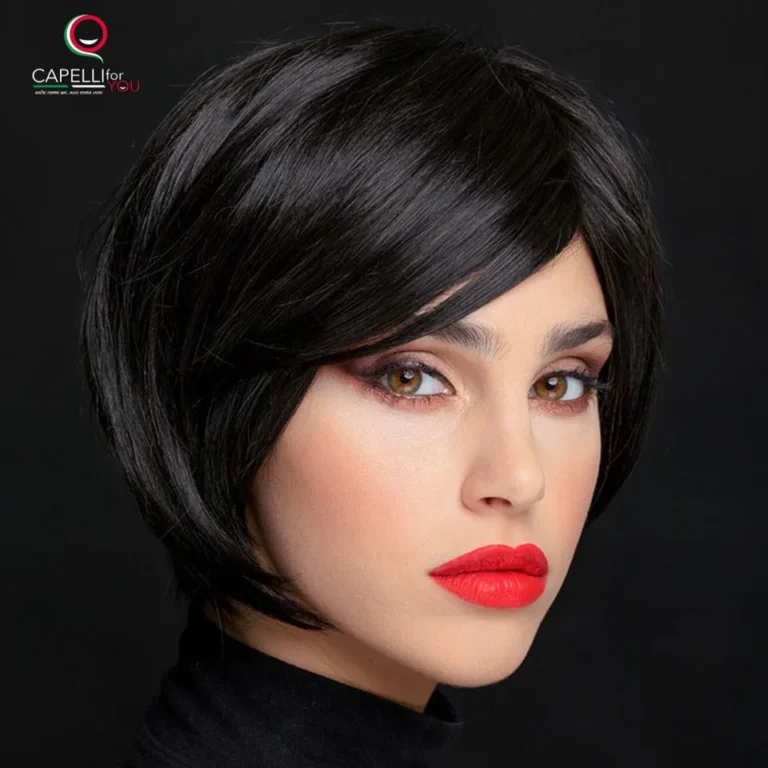
Our mission is to help each person regain confidence, comfort, and a sense of normality, with natural-looking, non-invasive solutions tailored to their needs.